
Life with a Dog in Australia: Breeds, Training, Health
An Australian kelpie is a good dog for an active home when the owner can provide daily vigorous exercise, mental work and consistent training. The breed was developed for herding and tolerates heat and long distances, but it needs a job or a sport to stay settled. Without that outlet, a kelpie can become restless and hard to manage in a suburban yard.
Is an Australian kelpie a good dog for an active home?
Yes, for homes that treat activity as a daily routine rather than an occasional outing. Kelpies are medium-sized, athletic and highly responsive to training. They learn commands quickly and often anticipate the next cue, which suits owners who enjoy obedience, agility, flyball or herding trials.
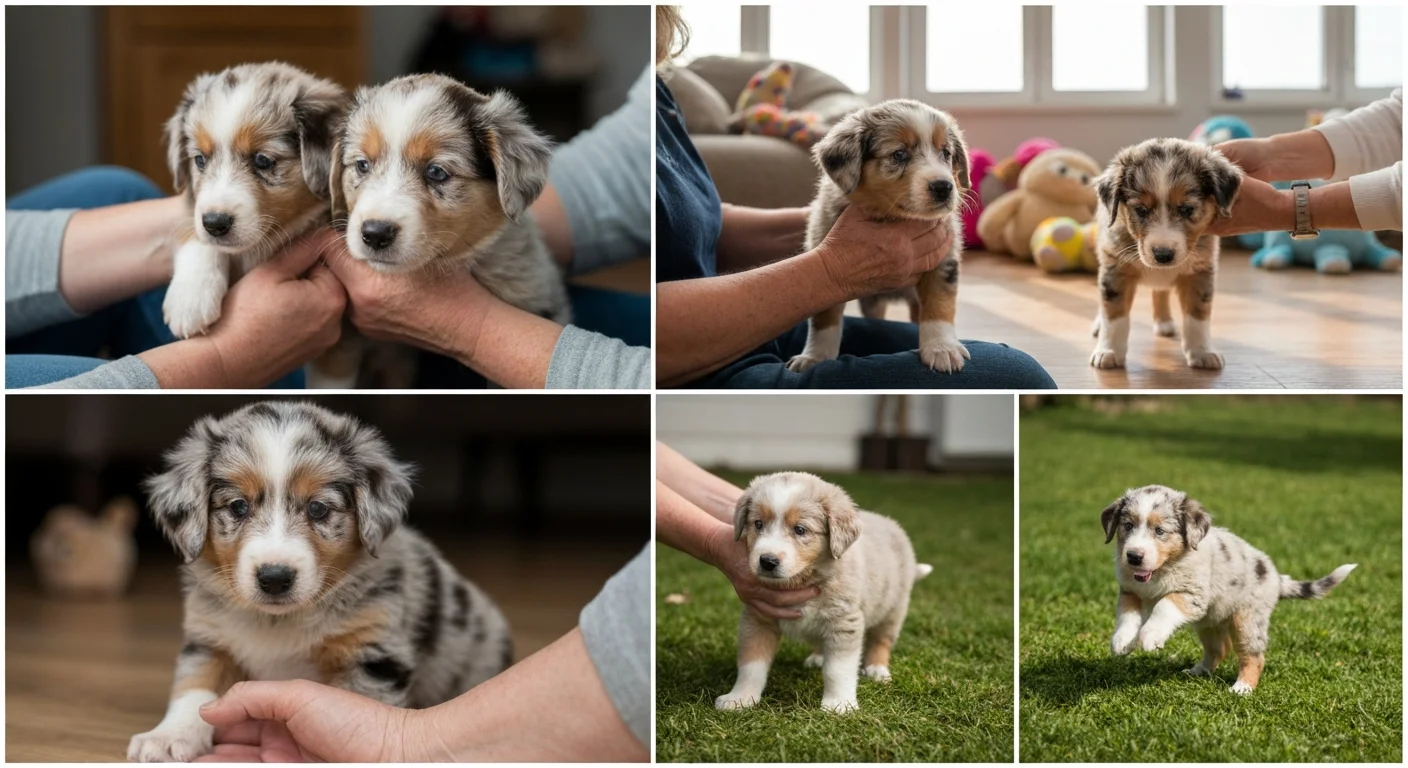
The breed's working background also means it is sensitive to boredom. A kelpie that spends most of the day alone with no structured exercise may bark, dig or herd household members. Active homes that plan morning runs, training sessions and puzzle feeders usually see a calmer dog.
Climate matters. Kelpies handle Australian heat better than many thick-coated breeds, but they still need shade, water and walks timed away from the hottest part of the day. For a fuller breed profile, including temperament and exercise needs, see this australian kelpie breed profile.
Prospective owners should also check local council rules on registration and leash requirements before bringing a working breed home.
What is the difference between a blue heeler and a red heeler?
The difference is coat colour, not breed. Blue heelers and red heelers are both Australian cattle dogs. The blue form has a black or blue-grey base with tan markings and mottling. The red form has a red speckled base with tan markings. Both are the same breed under national kennel standards.
Cattle dogs were bred to move cattle over rough ground. They are sturdy, independent and often reserved with strangers. They need firm, fair training and a physical task. A blue heeler and a red heeler from the same litter can appear together, because the colour genes assort independently.
For owners, the practical difference is minor. Grooming, exercise and health checks are the same. Some breeders and rescue groups note that red cattle dogs may show lighter pigment around the nose and eyes, which can matter in strong sun, but this is not a separate care regime.
Is the Australian terrier a good small dog for town or farm?
The Australian terrier suits both settings when its exercise and terrier instincts are respected. It is small, hardy and alert, with a rough coat that needs regular brushing. In town, it adapts to apartment living if walked daily and given indoor play. On a farm, it can help with rodent control, though it should not be left unsupervised around poultry or small livestock.
The breed is confident and can be vocal. Early socialisation and basic obedience reduce barking and chasing. Australian terriers are generally healthy, but like many small breeds they can develop dental problems and patellar luxation, so routine veterinary checks are useful.
For families, the terrier's size makes it manageable, but its terrier temperament means it may not tolerate rough handling from very young children. Supervision is always required.
Rescue adoption in Australia: what to expect
Rescue adoption is a common route to dog ownership in Australia. Organisations such as the RSPCA and breed-specific rescue groups assess dogs for temperament and health before rehoming. Adopters usually complete an application, meet the dog and sometimes arrange a trial period.
Greyhound adoption is well established, with retired racing greyhounds available through dedicated programs. These dogs are often calm indoors and need short bursts of exercise. Kelpies and cattle dogs also appear in rescue, usually because their exercise needs were underestimated.
Adopters should ask about vaccination, desexing, microchipping and any known behaviour issues. A home check may be required. Renters should confirm that the landlord permits pets and check strata by-laws before applying.
Training basics for Australian dogs
Basic training starts with name recognition, sit, stay, come and loose-leash walking. Short sessions of five to ten minutes, repeated daily, work better than long sessions. Reward-based methods are effective for kelpies, cattle dogs and terriers, all of which respond to food, toys and praise.
Socialisation should include different people, dogs, sounds and surfaces. Puppy classes are widely available and help with early manners. For working breeds, adding a job such as fetch, trick training or a dog sport reduces problem behaviours.
House training benefits from a fixed routine: take the puppy outside after meals, naps and play, and reward success. Crate training can help if introduced gradually and never used as punishment.
Daily health and local rules in Australia
Everyday health care includes parasite control, vaccination, dental care and weight management. Australian conditions bring specific risks. Snake bites are more common in warmer months, and owners should know the signs: weakness, vomiting, dilated pupils and collapse. Immediate veterinary care is essential.
Heat stress is a summer risk. Walk dogs early or late, provide shade and never leave a dog in a parked car. Tick paralysis occurs in some coastal regions, so daily checks are advised in those areas.
Local rules vary by state and council. Leash requirements, off-leash parks, beach access and registration fees differ. Many councils require dogs to be microchipped and registered, and some restrict certain breeds. Owners should check their local council website for current rules.
Raw or home-cooked diets are popular, but they need veterinary guidance to avoid nutrient gaps. Commercial diets that meet national standards are a simpler option for most households.
Boarding, daycare and grooming services are widely available. When choosing a provider, ask about supervision, vaccination requirements and handling methods. A good provider will let you tour the facility.
Living with a dog in Australia means matching the breed to the climate, the home and the owner's daily routine. Kelpies and cattle dogs reward active owners, terriers suit smaller spaces with consistent training, and rescue adoption offers a path to a known temperament. Local rules and seasonal health risks are part of the picture, and checking them early prevents problems later.
The wider reading on this site that supports these decisions includes rehoming a dog with an unknown past, life with a Golden Retriever in Australia.
Dr. Patricia Wells
Canine Coat Genetics Specialist
Veterinary geneticist with over 25 years researching coat colour inheritance in domestic canids. Former research fellow at the Animal Health Trust and consultant to multiple breed health programmes across Europe and North America.
View all articles