
Merle Breeding Safety
Understanding merle genetics is not optional for breeders - it is a fundamental responsibility. This resource provides the scientific knowledge and practical protocols to produce beautiful merle dogs without creating preventable suffering.
Merle-to-merle breeding produces a 25% chance of double merle (MM) puppies. These dogs frequently suffer from severe eye abnormalities, deafness, and other health issues. This is entirely preventable through proper genetic testing.
Essential Reading
The Merle Gene: Beautiful and Dangerous
Understanding the genetics behind the stunning merle pattern and why it demands respect from every breeder.
Double Merle: The Heartbreak of MM Puppies
The devastating reality of homozygous merle puppies. Blindness, deafness, and a lifetime of challenges.
Cryptic Merle: The Hidden Danger in Your Lines
Why visual inspection fails and how invisible merle carriers are producing affected puppies worldwide.
Testing Before Breeding: Available Tests and Labs
A comprehensive guide to genetic testing options, laboratories, and interpreting your dog's merle status.
Responsible Merle Breeding: How to Do It Right
Protocols, pairings, and practices that preserve the beautiful pattern while protecting puppy welfare.
Advanced Topics
The SILV/PMEL17 Gene: Understanding Merle at the Molecular Level
Deep dive into the molecular genetics of the merle pattern. SINE insertions, poly-A tail instability, and the science behind safe breeding.
Health Issues in Double Merle Dogs: A Comprehensive Medical Guide
Detailed veterinary guide to ocular abnormalities, deafness, dermatological issues, and quality of life in MM dogs.
Breed-Specific Merle Guidelines: Standards and Registrations
Traditional merle breeds versus non-standard introductions. Kennel club policies and breed-specific considerations.
Ethical Considerations in Merle Breeding
Examining breeder responsibility, animal welfare principles, and the moral dimensions of merle breeding decisions.
Harlequin and Merle Interaction in Great Danes
The complex interaction between harlequin and merle genes. Safe breeding combinations and the embryonic lethal factor.
Merle Allele Instability: Why Offspring May Differ from Parents
Understanding poly-A tail instability and why individual DNA testing is essential for every breeding dog.
Puppy Buyer's Guide: What to Know Before Purchasing a Merle Dog
Essential guide for prospective buyers. Questions to ask breeders, documentation to request, and red flags to watch for.
Merle and Coat Colour Interactions: What Base Colours Reveal
How merle interacts with sable, recessive red, and dilution. Understanding hidden merle risks in different coat colours.
Merle in Non-Traditional Breeds: The Growing Crisis
Why introducing merle into French Bulldogs, Poodles, and other non-traditional breeds creates a welfare crisis driven by social media demand.
Phantom Merle: When Sable and Recessive Red Hide the Pattern
How sable and recessive red coat colours completely mask merle expression, creating invisible carriers that produce double merle puppies.
Merle Breeding Record Keeping: Building a Genetic Database for Your Programme
How to build and maintain a comprehensive genetic database for merle breeding. Recording allele lengths, sharing data, and preventing tragedies.
Merle and Deafness: Understanding Hearing Loss and BAER Testing Protocols
How the merle gene causes sensorineural deafness through cochlear melanocyte disruption. BAER testing protocols, prevalence data, and breeding implications.
Merle Breeding Age Guidelines: When to Breed and When to Stop
Age and timing guidelines for merle breeding programmes. Minimum age before first breeding, litter frequency, rest periods, and when to retire breeding stock.
Merle Puppy Health Screening Protocol: From Birth to Eight Weeks
Week-by-week health screening protocol for merle litters. BAER testing, ophthalmological examination, and documentation requirements for responsible merle breeders.
Merle Breeding Contracts: What Every Sale Agreement Must Include
Essential clauses for merle puppy sale contracts. Genetic status declarations, breeding restrictions, testing obligations, and documentation for responsible programmes.
Merle Dogs: Nutrition and Health Management for Long-Term Wellbeing
Practical health management for merle breeding dogs. Nutrition during pregnancy, sun sensitivity, ongoing eye monitoring, and care of sensory-impaired dogs.
Socialisation and Early Development of Merle Puppies: A Breeder's Responsibility
Evidence-based early development and socialisation programme for merle litters. Covers ENS, sensory-specific protocols for deaf and visually impaired puppies.
Selecting a Stud Dog for Merle Breeding: What Documentation to Demand
How to select a safe stud dog for a merle breeding programme. Required genetic documentation, health clearances, pedigree evaluation, and fraud prevention.
Adopting a Merle Dog from Rescue: What You Need to Know
Guide to adopting merle dogs from rescue. Health assessment priorities, double merle identification, matching sensory-impaired dogs with appropriate adopters.
Merle Genetics in the Australian Shepherd: Colour, Risk, and Responsible Breeding
Breed-specific guide to merle genetics in Australian Shepherds. Blue and red merle colour interactions, cryptic merle prevalence, sable masking, and safe breeding.
Social Media and the Merle Demand Problem: How Viral Beauty Creates Real Suffering
How social media demand drives irresponsible merle breeding. Instagram pressure, the merle French Bulldog crisis, influencer culture, and how buyers can respond.
Merle Allele Length Classification: Reading and Interpreting Your Test Results
Complete guide to merle allele length classifications. How to read laboratory reports, understand bp ranges from cryptic to harlequin, and apply results to breeding.
Whelping and Neonatal Care for Merle Litters: What to Expect and Prepare For
Practical guide to whelping merle litters. Pre-whelping preparation, birth record keeping, white distribution as an early health indicator, and neonatal monitoring.
Canadian Dog Shows: Verify Before You Enter
How to separate official Canadian dog show calendars from unverified claims, check a dog's eligibility, prepare logistics, and verify breed, club and breeder
Infection Control for Small Businesses
How to write an infection control plan for a small business, set customer rules, and manage staff sickness and return to work fairly.
Life with a Dog in Australia: Breeds, Training, Health
A practical guide to Australian dog breeds such as the kelpie, cattle dog and terrier, plus rescue adoption, training basics and daily health in Australia.
Dog Law and Life in the American South
How Mississippi Code sections, leash ordinances, bite liability, heartworm risk and summer heat shape daily life with a dog in the South.
Border Collie Colours: Documenting Coat and Pattern
A practical look at Border Collie coat colours and patterns, from dilution and merle to markings, and how breeders and owners can document them accurately.
Life with a Golden Retriever in Australia
Daily care, feeding, exercise and grooming for a Golden Retriever in Australia, with breed standards as reference points and notes on responsible acquisition.
Working Draft Horses in New England: A Breeder's Basics
Ground work, driving basics, pedigree reading, foaling preparation and show records for owners of working draft horses in New England.
Further reading for safer decisions
These carefully selected pages stay available as a working reference: they are reviewed and kept current as breeding guidance, testing practice, and breed standards develop.
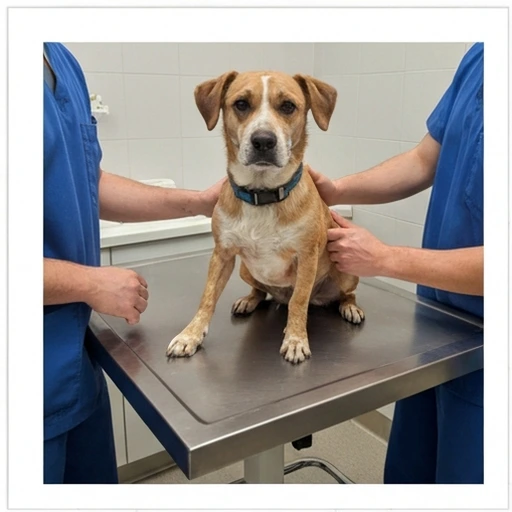
Breed-Specific Merle Guidelines: Standards and Registrations
Compare traditional merle breeds, newer introductions, and registration policies before treating a colour as a mark of breed conformity.
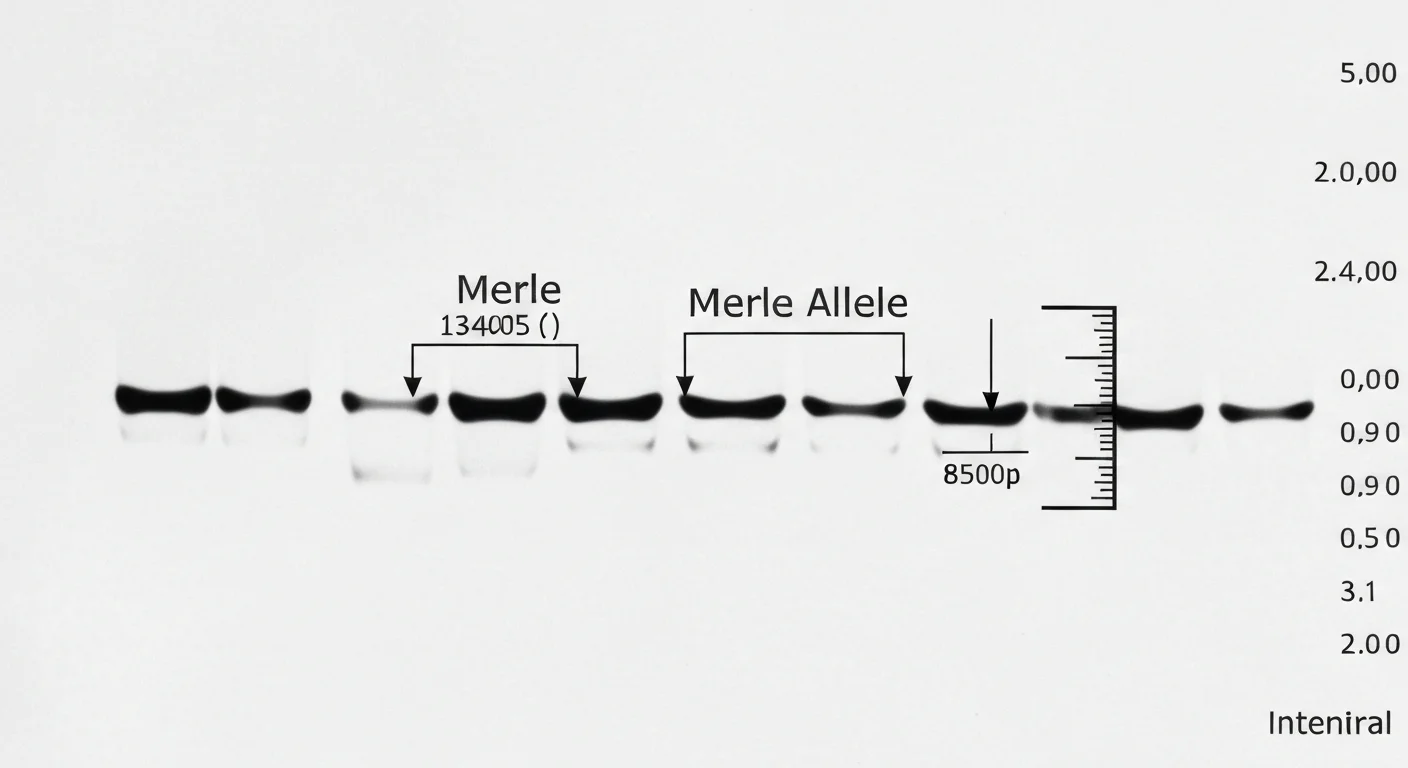
Merle Allele Length Classification: Reading Test Results
Learn how allele-length reports distinguish cryptic, standard, and longer merle variants so a breeding decision rests on measured evidence.

Merle Breeding Record Keeping: Building a Genetic Database
Turn laboratory reports, dates, pairings, and litter observations into a traceable record that can be checked before every mating.

Merle and Deafness: Understanding BAER Testing Protocols
See what hearing loss can mean for merle dogs and how BAER testing contributes to responsible screening and placement decisions.
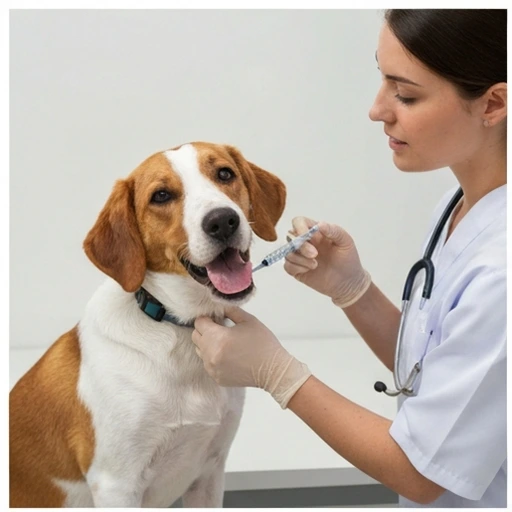
Responsible Merle Breeding: How to Do It Right
Bring testing, compatible pairings, documentation, and puppy welfare into one practical framework for safer merle programmes.
The status of a merle coat also depends on breed standards, so this independent reference helps separate colour from conformity.
Read the standards coverage from Working Dog Standards.
Breeders and rescue workers who need reference material on single-use respiratory devices will find The Airway Ledger, an independent professional magazine covering ventilator breathing circuits adult and neonatal, heated-wire and circular systems, filters and HME, CPAP and NIV masks, nebulisation and suction.
For breeders comparing sources on the American Cocker Spaniel, American Cocker knowledge covers the AKC standard, coat care, the first year, screening, training, and how to read canine references critically.
For breed background on the Cane Corso, its southern Italian origins, colours and morphology, plus guidance on choosing a puppy and what clubs and shows signify, this Cane Corso breed magazine offers Dutch-language reference material.
For breeders and rescue workers tracking pain and mobility in dogs, a German magazine on canine physiotherapy and wellbeing covers massage, acupressure, Tellington TTouch, submerged treadmills, electrotherapy and ultrasound, behaviour, and nutrition.
Readers planning a French LOF puppy search will find guidance on matching an Australian Shepherd to a way of life, identifying a breeder, hereditary disease testing, and the questions to ask, at Australian Shepherd LOF guide.
For readers tracing Russian breeds such as the samoyed, borzoi, Caucasian shepherd, black Russian terrier and West Siberian laika, Chien Russe covers Russian dog breeds and adds a detailed Russkiy Toy standard dossier.
For owners comparing sources before acquiring a dog, the American Cocker Spaniel breed profile covers breed needs, daily care, feeding, exercise, housing, and how to read health information.
Two recent pages set out the practical side of these questions: adopting a merle dog from rescue and how social media demand affects merle breeding.
With proper genetic testing and responsible breeding practices, you can produce beautiful merle puppies without ever creating a double merle. Every article on this site is designed to give you the knowledge to breed safely and ethically. Recent additions include our deep dives on merle breeding liability and veterinary expert testimony and on non-merle genes that mimic the merle pattern.
Recent additions also cover adopting a merle dog from rescue and how social media demand shapes merle breeding.
Dr. Patricia Wells
Canine Coat Genetics Specialist
Veterinary geneticist with over 25 years researching coat colour inheritance in domestic canids. Former research fellow at the Animal Health Trust and consultant to multiple breed health programmes across Europe and North America. Dedicated to translating complex genetic science into practical guidance for responsible breeders.
Read about our mission