
Working Draft Horses in New England: A Breeder's Basics
A working draft horse in New England is managed around three practical demands: calm ground work and driving that move a load without stress, breeding decisions supported by pedigree reading and foaling preparation, and public presentation with correctly fitted harness. Each demand has its own routines, and each can be learned from established practice rather than guesswork. The sections below set out those routines in the order a new owner usually meets them.
Ground work and driving basics for moving a load calmly
Calm load movement begins before a horse is ever hitched. Ground work establishes the voice commands, the halt, and the response to pressure that a horse will need when a shaft or a chain is behind it. A common progression is leading in hand, then long lining, then dragging a light object such as a log or a tire, and only then hitching to a vehicle. Each step is repeated until the horse stands quietly at rest, because a horse that will not stand still in hand will not stand still under harness.
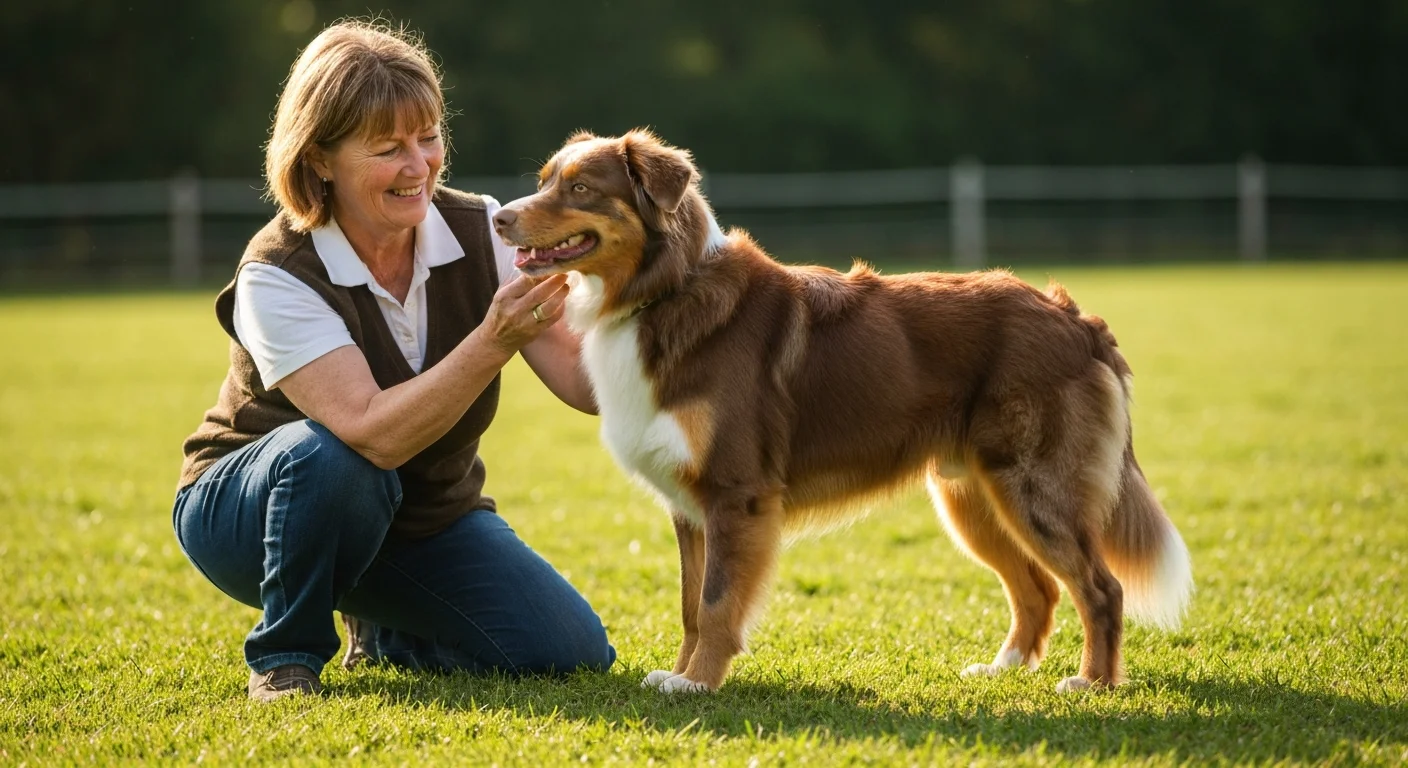
Driving basics follow the same logic. The handler teaches walk on, whoa, and a clear backup cue on the ground, then transfers those cues to the lines. Starts and stops are made gradual: a load is taken up slowly, the horse is allowed to lean into the collar, and the stop is asked for early rather than at the last moment. Short sessions, consistent cues, and a flat, familiar surface reduce the chance of a bolt. Owners who want a structured reference for this progression, including harness adjustment and vehicle care, can consult the practical guides collected at draft horse training and breeding guides, which cover ground work, driving, breeding records, and show preparation for working drafts.
Equipment matters as much as technique. A collar that is too narrow or too low pinches at the point of draft; a trace that is too long lets the load run up on the horse. Checking collar fit, hames, and trace length before every session is a five minute habit that prevents most avoidable incidents.
How do you read a draft horse pedigree?
A pedigree is a record of ancestors, not a prediction, but it narrows the questions worth asking. The first pass is structural: identify the sire and dam, then the grandparents, and note whether the same animals appear more than once. Linebreeding and inbreeding appear as repeated names, and their concentration is a fact to record rather than a judgement to make.
The second pass is functional. For a working draft, the useful entries are those that describe what the ancestors did: farm work, logging, ploughing, pulling competitions, or breeding stock. A pedigree full of show champions tells one story; a pedigree full of horses that worked daily tells another. Neither is automatically better, but the buyer should know which one is in front of them.
The third pass is health and fertility history where it is available. Foaling records, conception history, and any known hereditary conditions belong in the file. Breed registries and studbooks publish the rules for registration and the accepted pedigree formats, and those documents are the correct place to confirm what a name on a certificate actually means.
Foaling preparation and record keeping
Foaling preparation starts weeks before the due date. A foaling stall should be clean, deeply bedded, well lit, and within sight or sound of the house. The mare is monitored for the signs that precede labour: udder development, waxing, relaxation of the muscles around the tailhead, and changes in behaviour. A foaling kit kept ready includes clean towels, obstetrical gloves, lubricant, a thermometer, iodine for the navel, and the veterinarian's number posted where it can be read in poor light.
Most mares foal at night and most foalings need no assistance. The decision point is time. If the mare has been in active labour for more than about twenty minutes without progress, or if the presentation is not the normal front feet and nose, the veterinarian is called. A retained placenta beyond a few hours is also a veterinary matter.
Records make the next foaling easier. A simple foaling log records the date the mare was bred, the date she was confirmed in foal, the date she was dried off, the foaling date, the presentation, the time to standing and nursing, and any intervention. The same log, kept across years, shows patterns in a mare's cycle and in the herd's fertility. Registration paperwork, health certificates, and vaccination dates belong in the same file so that nothing has to be reconstructed later.
What happens at draft horse shows and pulling events?
Draft horse shows combine in hand presentation with working classes. In halter, the horse is shown standing and moving at a walk and trot, and the judge assesses conformation, condition, and movement. Handling is quiet and deliberate: the handler stands to the side, keeps the horse's attention, and moves when the judge asks. Braiding, clipping, and clean harness or show tack are preparation, not decoration, and they are done before the class, not in the ring.
Pulling events and farm fairs add a different test. Teams are hitched to a load that is progressively increased, and the judge watches for a steady, willing pull rather than a frantic one. Weight, distance, and class rules vary by fair, so the entry book is the authority for any given event. Between classes, horses are tied or held in areas set aside for them, and equipment is checked again before each hook.
Harness adjustment is the same skill in the ring as in the field. The collar sits high and snug, the hames are seated in the collar groove, the breeching is set so that the horse can hold a load on a downgrade, and the lines run straight from bit to hand. A harness that fits correctly at home will fit correctly at the showground, provided it is checked after transport.
Where do breeding, training, and showing records meet?
They meet in the same file. A working draft horse operation keeps one record per animal: registration papers, pedigree, breeding and foaling dates, training milestones, shoeing and veterinary dates, and show or pull results. The value is not administrative tidiness. It is the ability to answer a question later, such as whether a mare conceived on the first cover, whether a young horse was started in harness at three or at four, or how a particular line has performed under load.
Written records also support decisions about culling and retention. A mare with repeated foaling difficulty, a stallion whose offspring are consistently difficult to start, or a horse that cannot hold condition on the available forage are all facts that show up in a log before they show up in memory. Breeders who keep records for several seasons can compare them, and comparison is what turns a single year's experience into a working method.
Practical sequence for a new owner
The order that works is unglamorous. Learn ground work and driving on a quiet, experienced horse before buying a young one. Read the pedigree of any animal you consider, and ask for foaling and health records rather than accepting a summary. Set up a foaling stall and kit before the mare is close, and keep the veterinarian's number where you can find it in the dark. Fit the harness yourself, check it before every hook, and keep one file per horse. Shows and pulls are a test of that preparation, not a substitute for it.
New England's working draft community is small enough that reputation travels, and the standard is practical: a horse that stands, starts, pulls, and stops calmly is worth more than one that only looks the part. The routines above are the ones that produce that horse.
The wider reading on this site that supports these decisions includes merle breeding record keeping, stud dog selection.
Dr. Patricia Wells
Canine Coat Genetics Specialist
Veterinary geneticist with over 25 years researching coat colour inheritance in domestic canids. Former research fellow at the Animal Health Trust and consultant to multiple breed health programmes across Europe and North America.
View all articles