
Adopting a Merle Dog from Rescue: What You Need to Know
Rescue and rehoming organisations routinely handle merle dogs, including dogs whose origins are unknown or poorly documented. For adopters, understanding the specific considerations associated with merle genetics is important before bringing one of these dogs home. For rescue organisations, knowledge of merle-related health risks should inform assessment protocols and adoption matching.
This guide addresses both audiences — prospective adopters of merle dogs and the rescue workers and volunteers who assess and place them. It draws on the genetics and health information presented elsewhere on this site to provide practical, accessible guidance for rescue contexts. Understanding the basics of the merle gene is a useful starting point for anyone new to this subject.
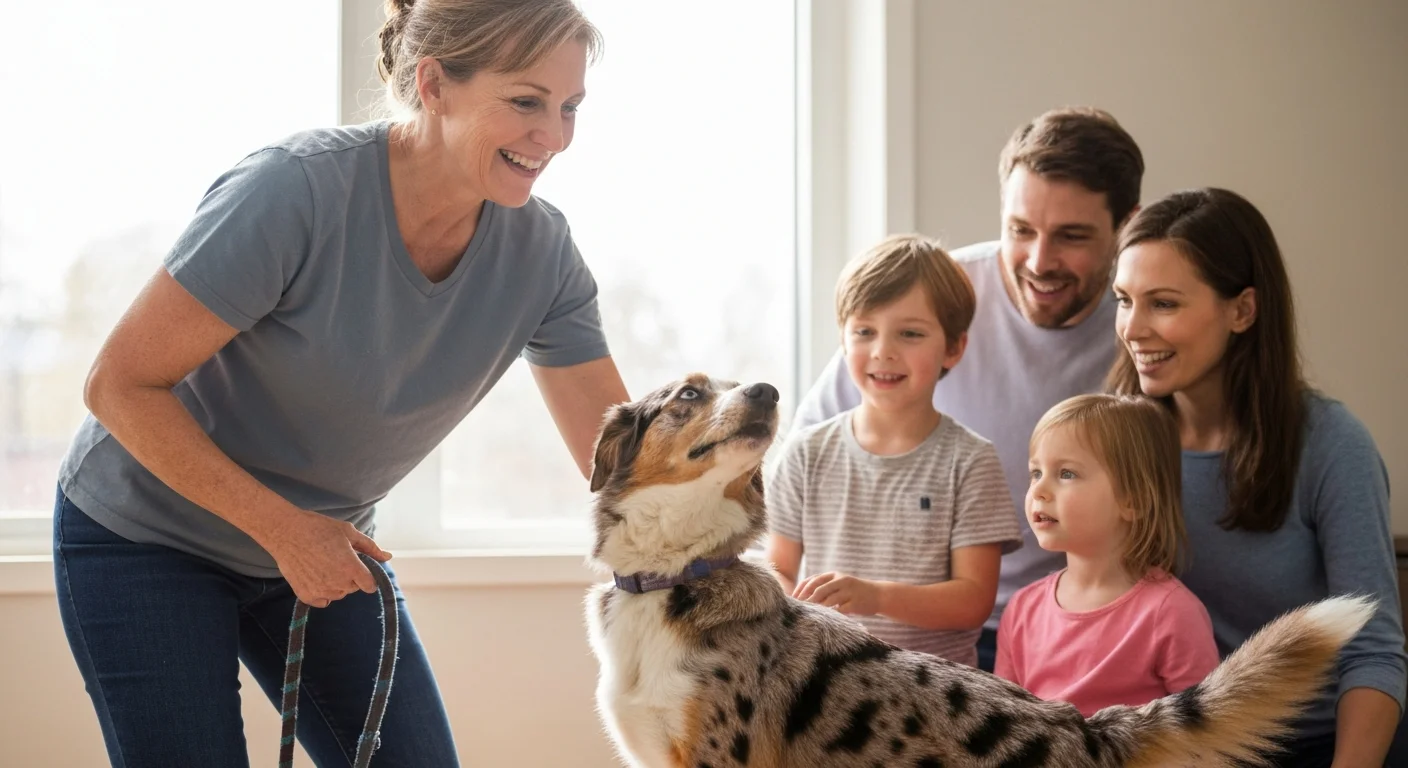
Why Merle Dogs End Up in Rescue
Merle dogs reach rescue through several common pathways, and understanding these pathways helps rescuers assess the dog's likely genetic background and health status.
The first and most significant pathway is irresponsible breeding. Dogs surrendered from unplanned litters, backyard breeders, or commercial breeding operations may have unknown parental merle status. They may be double merle individuals who were bred accidentally through merle-to-merle pairings. Rescue organisations that frequently receive dogs from these sources will periodically handle dogs with merle-associated health issues even if the rescue is not specifically focused on the pattern.
The second pathway is intentional breeding of double merle dogs for their striking appearance — the all-white or near-white coat associated with homozygous merle. These dogs are occasionally marketed as a premium product. When buyers discover the reality of managing a deaf or visually impaired dog without preparation, surrender follows. These dogs often come with no documentation and may have significant health needs.
The third pathway is breed-specific rescue for herding breeds — Australian Shepherds, Border Collies, Shetland Sheepdogs — where merle is common and dogs may be surrendered for reasons entirely unrelated to genetics. In these cases, the merle pattern is incidental, and the dog may be perfectly healthy.
Health Assessment Priorities for Rescue Merle Dogs
When a merle dog enters rescue care without health documentation, the following assessments should be prioritised before placement:
- BAER testing: Behavioural hearing assessment is unreliable for identifying unilateral deafness. Any merle dog with unknown history should be BAER tested, particularly if the dog has significant white on the head or shows any behavioural indicators of compromised hearing. The scientific basis for this recommendation is explained in our guide to merle deafness and BAER testing.
- Ophthalmological screening: Dogs with microphthalmia, iris irregularities, or clouded corneas require specialist ophthalmological assessment to characterise the extent of any visual impairment before placement.
- Full physical examination: A general health assessment including dental check, skin condition, weight assessment, and cardiac and pulmonary auscultation provides the baseline needed for matching the dog with an appropriate adopter.
Dogs with very extensive white markings, particularly those with white covering most of the face and body with small coloured patches, may be double merle (MM) individuals. These dogs have a very high probability of bilateral deafness and significant visual impairment. Rescue organisations should have protocols for identifying and appropriately placing these dogs. They are not unadoptable — but they require specific placement with prepared, informed adopters. See our full guide to health issues in double merle dogs.
Matching Merle Rescue Dogs with Appropriate Adopters
A sensory-impaired merle dog needs an adopter who understands what this means in practice, not just in theory. The matching process should involve an honest conversation about daily management requirements, safety considerations, and training approaches before adoption proceeds.
An adopter who has never owned a dog before is not the right match for a bilaterally deaf dog, regardless of their enthusiasm. A first-time dog owner who is willing to commit to specific deaf dog training courses before adoption may be an excellent match. The assessment is individual — about the person as much as the dog.
Adopters who are considering breeding a rescue merle dog — even casually — must be assessed carefully. Without documented genetic testing, a rescue merle cannot safely be bred. Rescue agreements should include clear language about this requirement, mirroring the contractual provisions described in our guide to merle breeding contracts.
The Rescue Organisation's Responsibility
Rescue organisations handling merle dogs have the same ethical obligations as breeders when it comes to transparency. An adopter who is not told that a rescue dog has unknown merle status, who adopts the dog and subsequently breeds it to another merle — producing a litter of double merle puppies — is a reasonably foreseeable outcome if the rescue failed to provide adequate information at the point of adoption.
This does not mean every rescue merle dog needs extensive genetic testing before placement. But it does mean that adopters should receive honest information about what is and is not known, what health checks have been completed, and what checks should be done before any breeding is considered.
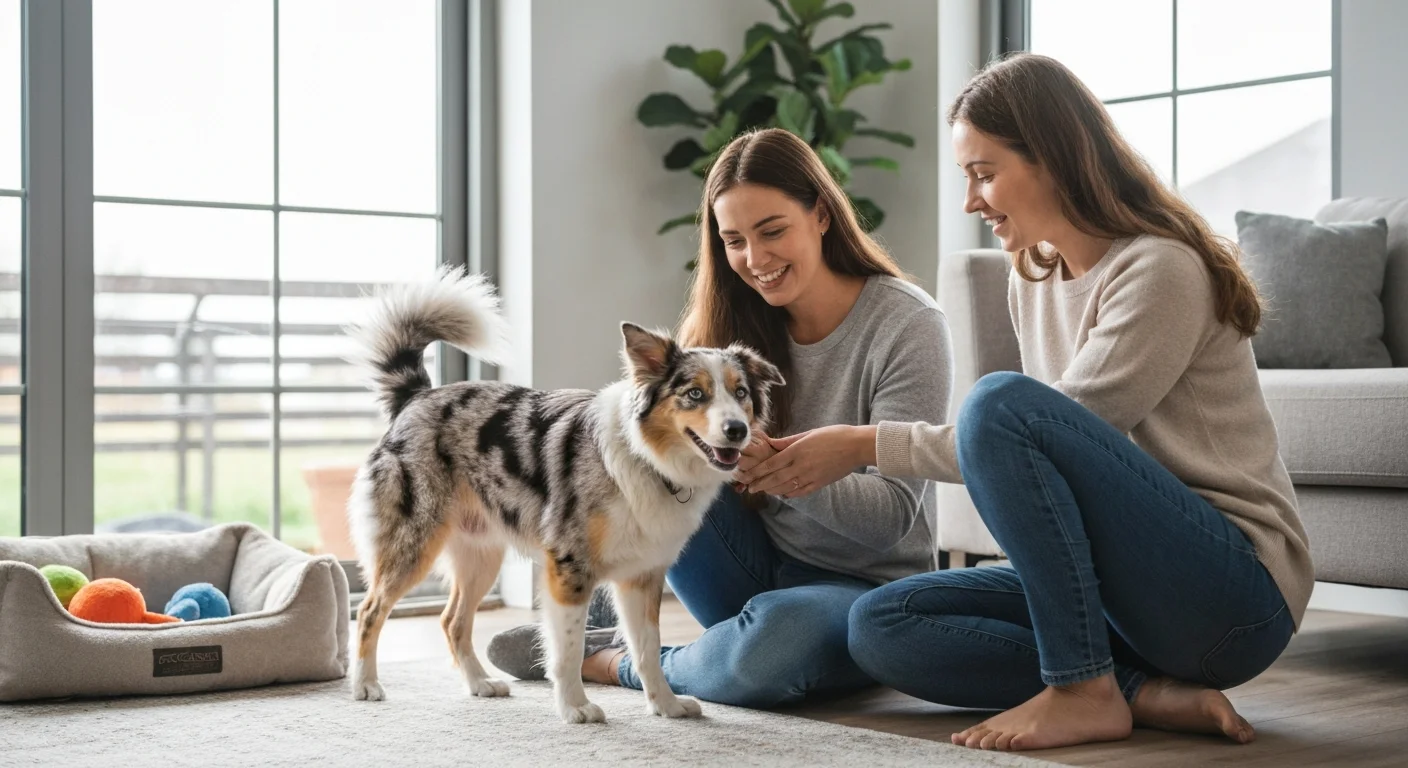
Living with a Sensory-Impaired Merle Rescue Dog
Many adopters of merle rescue dogs with sensory impairments find the experience deeply rewarding. Deaf dogs respond well to visual communication and can be trained to a high level using hand signals and vibration cues. Visually impaired dogs navigate familiar environments confidently and adapt remarkably well to loving, consistent home environments.
The challenges are real but manageable with preparation. Key considerations include:
- Secure fencing is non-negotiable for deaf dogs — they cannot hear traffic, other animals, or calls to return
- Consistent environmental layout supports visually impaired dogs in building their cognitive map
- Social introductions with new people and animals require more careful management than with fully sensory dogs
- Veterinary teams should be informed of the dog's sensory status on registration so that all examinations are adapted accordingly
The best outcomes for rescue merle dogs come from transparent placement processes, honest assessment of each dog's individual needs, and matching with adopters who have genuinely engaged with what is required. This is more demanding than placing a straightforward dog — but it is the standard these dogs deserve. The broader ethical dimensions of merle breeding are explored in our guide to ethical considerations in merle breeding.
Dr. Patricia Wells
Canine Coat Genetics Specialist
Veterinary geneticist with over 25 years researching coat colour inheritance in domestic canids. Former research fellow at the Animal Health Trust and consultant to multiple breed health programmes across Europe and North America.
View all articles