
Canadian Dog Shows: Verify Before You Enter
In Canada, a dog show entry is valid only when the event appears on the calendar published by the national kennel club that licenses it, and when the dog itself meets that club's written eligibility rules. Claims posted on social media, in classified ads or on breeder pages are not calendars, and they do not establish eligibility. The practical sequence is: confirm the sanctioning body, confirm the event on its official listing, then confirm the dog's registration and class requirements before paying any fee.
Where does an official Canadian show calendar come from?
A calendar is official when the sanctioning body itself publishes it. In Canada that body is the Canadian Kennel Club, which licenses conformation events and maintains the listings members use to enter. A club's own website, a Facebook event page or a poster in a training hall may repeat that information, but the repetition is not the source. When two listings disagree on date, location or judge, the national listing governs.
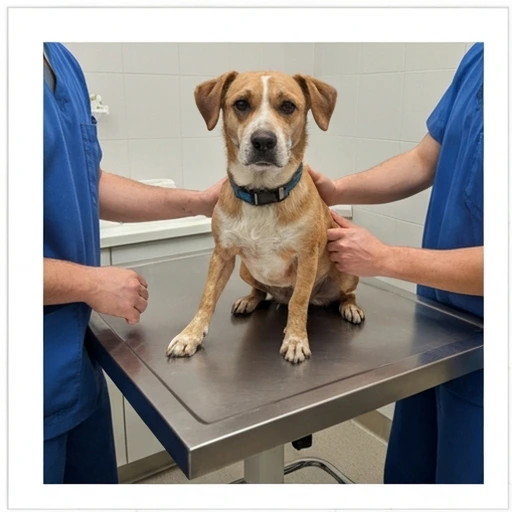
Readers who want a structured way to read those listings, and to tell a sanctioned event from a casual fun match, can consult the Canadian conformation field guide, which walks through how Canadian shows are organised and what the paperwork actually means. The same discipline applies to any calendar: find the issuing authority, read its current version, and treat screenshots and forwarded images as unverified until matched against it.
How do you check a dog's eligibility for a Canadian show?
Eligibility rests on three things: registration, class and age.
Registration. The dog must be registered with the sanctioning body, or hold a registration the body recognises. A dog registered only with a foreign registry may need an approved transfer or an identification number before it can be entered. Puppies sold with "papers pending" are not yet eligible.
Class. Conformation classes are divided by sex, age and, for some breeds, by colour or variety. A dog entered in the wrong class is typically moved or disqualified, and the entry fee is not refunded. Breed standards also determine whether a dog is shown in a variety class at all.
Age. Minimum age for conformation entry is set by the sanctioning body, not by the host club. A club cannot waive it.
Two further checks matter. First, a dog that has been bred or whelped may be barred from certain classes. Second, a dog with a disqualifying fault under its breed standard can still be entered, but the judge's decision follows the standard, not the owner's expectation. Eligibility is a paperwork question first and a conformation question second.
What does logistical preparation actually involve?
Logistics decide more entries than conformation does. Work backwards from the show date.
Entry deadlines. Most Canadian shows close entries two to three weeks before the event. Late entries are usually refused, not merely surcharged.
Documents. Carry the dog's registration certificate, proof of current rabies vaccination where required, and any health certificates the venue or province demands. Keep paper copies; a phone with no signal is not a document.
Travel. For shows in another province, check border rules for dogs, including any import or health documentation. For air travel, check the carrier's own rules, which are separate from the show's.
Venue. Confirm crating space, grooming area rules, parking and whether the site is indoors or outdoors. Winter shows in Canada involve salt, ice and cold on paws and coats, and a dog that is uncomfortable on the ground does not show well.
Handler and schedule. Know your ring number, judging time and breed order. Arrive with time to spare; ring conflicts are common when a dog is entered in several events.
Budget. Entry fees, travel, accommodation, grooming and handler charges accumulate. A written budget prevents the common mistake of entering more shows than the season can support.
How do you verify breed, club and breeder sources?
Verification is a habit, not a single check.
For a breed club, confirm that it is recognised by the national kennel club and that its officers are named. A club with no listed officers and no meeting record is a social group, not an authority.
For a breeder, ask for the registered names of the sire and dam, the registration numbers, and the health test results the breed club recommends. Then check those numbers against the registry. A breeder who will not provide numbers, or who provides numbers that do not match, has answered the question.
For a puppy listing, treat payment as the last step. A deposit should follow a signed contract that names the dog, the price, the deposit amount and the conditions for refund. Wire transfers to individuals, payment in cryptocurrency and pressure to decide within hours are patterns associated with fraud. Reputable sellers accept a slower process.
For any canine website, ask who publishes it, when it was last updated, and whether it names its sources. A site that cites the national kennel club, provincial agriculture ministries or veterinary bodies can be checked. A site that cites only itself cannot.
Which claims should be treated as unverified?
Some statements appear in show circles often enough to sound like rules. They are not rules until the sanctioning body says so.
"The club told me the date." A club officer's message is not a calendar entry. Confirm the event on the national listing.
"The dog is registered, the papers are coming." Pending registration is not registration. The dog cannot be entered until the number exists.
"Any judge will overlook it." Judges apply the breed standard and the event regulations. They do not apply an owner's explanation.
"The deposit is refundable, he said so." A refund is enforceable only if it is written into the contract.
"This breeder is recommended by the club." Clubs may list members, but a listing is not a health or temperament endorsement. Ask what the recommendation is based on.
A short checklist before any entry or deposit
- Identify the sanctioning body and read its current calendar.
- Confirm the event, date, location and closing date on that calendar.
- Confirm the dog's registration number and class eligibility in writing.
- Gather vaccination and health documents, and check travel rules.
- Budget the full cost, not the entry fee alone.
- For a puppy, obtain registration numbers, health test results and a written contract before paying.
- For any canine information source, note the publisher, the date and the cited authority.
The pattern behind all of this is the same. A claim becomes usable when an authority can be named, a document can be produced, and a date can be checked. Everything else is conversation.
The wider reading on this site that supports these decisions includes breed-specific merle guidelines, reading merle allele length reports.
Dr. Patricia Wells
Canine Coat Genetics Specialist
Veterinary geneticist with over 25 years researching coat colour inheritance in domestic canids. Former research fellow at the Animal Health Trust and consultant to multiple breed health programmes across Europe and North America.
View all articles